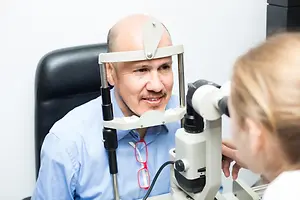
Comprehensive Eye Exams in Cranbrook, BC
Every comprehensive eye exam combines detailed pre-testing, advanced retinal imaging, and personalized recommendations to help you make informed decisions about your long-term eye health.

Clear Vision Does Not Always Mean Healthy Eyes
Seeing clearly is only one part of maintaining healthy eyes. Many eye conditions develop gradually and may not cause noticeable changes to your vision during their earliest stages.
A comprehensive eye exam allows your optometrist to evaluate both how well you see and the overall health of your eyes. Regular examinations help establish a baseline for your vision, monitor changes over time, and identify concerns that may benefit from ongoing care.
Whether you are updating your prescription or simply maintaining your eye health, a comprehensive eye exam provides valuable information that cannot be measured by vision alone.
Signs It May Be Time for a Comprehensive Eye Exam
Your eyes often give subtle signs when something changes. If you notice any of the following, it is a good time to schedule a comprehensive eye exam:
- Blurred or fluctuating vision
- Frequent headaches or eye strain
- Difficulty reading or focusing on nearby objects
- Trouble seeing while driving, especially at night
- Squinting to see more clearly
- Double vision
- New floaters or flashes of light
- Persistent eye discomfort or irritation
- Changes in your current glasses or contact lens prescription
- Difficulty seeing clearly at work, school, or while using digital devices
Even if you are not experiencing symptoms, routine eye exams remain an important part of protecting your long-term vision.
What to Expect During Your Comprehensive Eye Exam
Your appointment is designed to provide a complete understanding of both your vision and your eye health.
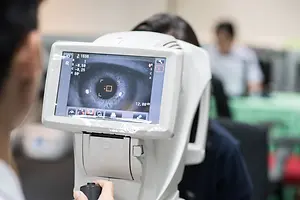
Every visit begins with detailed pre-testing performed by our clinical team. These measurements provide important information before you meet with your optometrist, allowing your examination to focus on both your visual needs and the overall health of your eyes.
During your examination, your optometrist will:
- Review your vision and any changes you have noticed
- Evaluate your prescription
- Assess the health of your eyes
- Review the results of your pre-testing
- Discuss any findings with you
- Recommend appropriate next steps based on your individual needs
Every recommendation is explained clearly so you understand how it supports your vision and long-term eye health.
Your prescription is only one part of your eye health. A comprehensive eye exam allows us to assess several important aspects of your vision and eyes, including:
- Your visual acuity
- Your current prescription
- Overall eye health
- Retinal health
- Eye coordination and focusing ability
- Changes that may require continued monitoring
- Signs of eye diseases that may not yet cause noticeable symptoms
By evaluating your eyes as a whole, we are able to recommend care that supports both your current vision and your future eye health.
Technology plays an important role in helping us gather more information about your eyes.
Our practice uses Optos OCT retinal imaging to assist with detailed retinal health assessments and monitor changes over time. These images help your optometrist evaluate the health of the retina while supporting the ongoing management of conditions such as glaucoma, diabetic eye disease, and macular degeneration when appropriate.
Technology is only one part of the examination. Equally important is helping you understand what those findings mean and how they relate to your overall eye health.
An eye exam should leave you with answers, not unanswered questions.
Before your appointment ends, your optometrist will review your examination findings, explain what they mean, discuss any changes to your vision, and answer your questions. If additional care, monitoring, or new eyewear is recommended, we will explain your options so you can make informed decisions with confidence.
Helping patients understand their eye health is an important part of the care we provide.
Eye Exams Throughout Every Stage of Life
Your vision changes throughout childhood, adulthood, and the senior years, which means your eye care needs may also change over time.
Children benefit from regular eye exams that support healthy visual development. Adults often rely on comprehensive examinations to monitor vision changes, eye health, and occupational visual demands. Seniors may require ongoing monitoring as age-related eye conditions become more common.
Your optometrist will recommend an examination schedule based on your age, overall eye health, medical history, and visual needs.
Learn more about: Pediatric Eye Exams, Contact Lens Exams, Medical Eye Care, Dry Eye Management.
Preparing for Your Appointment
To help us provide the most complete assessment possible, please bring:
- Your current glasses
- Your contact lenses and lens information, if applicable
- A list of current medications
- Your insurance information, if applicable
- Any questions or concerns about your vision
Sharing changes in your vision or overall health helps your optometrist better understand your needs and provide recommendations that are appropriate for you.
Children's Eye Exams
Regular pediatric eye exams support healthy visual development and help identify changes that may affect learning or everyday activities.
Adult Eye Exams
Comprehensive examinations for adults monitor vision changes, evaluate eye health, and inform decisions about long-term vision care.
Senior Eye Exams
Ongoing monitoring helps detect age-related eye conditions early and supports comfortable, functional vision throughout the senior years.
Contact Lens Exams
A contact lens exam evaluates your eyes and prescription to find lenses that support clear, comfortable vision and healthy eyes.
Schedule Your Comprehensive Eye Exam
Protecting your vision begins with understanding your eyes.
Whether you are due for a routine eye exam, have noticed changes in your vision, or want to stay proactive about your eye health, our team is here to help.
We look forward to providing the thorough examination, clear explanations, and practical recommendations you need to make confident decisions about your long-term vision.