Glaucoma Testing & Treatment in Cranbrook, BC
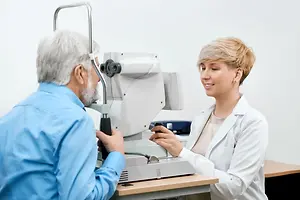
Our optometrists provide ongoing glaucoma monitoring and management using comprehensive clinical evaluation and Optos OCT retinal imaging to support long-term eye health.

Glaucoma Can Damage Your Vision Before You Notice Anything Is Wrong
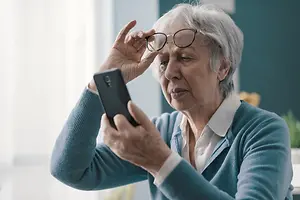
Glaucoma is a group of eye conditions that can damage the optic nerve, often related to elevated pressure inside the eye. Because it can develop gradually and may not cause noticeable symptoms during its earliest stages, many people are unaware of changes to their vision until significant damage has already occurred.
Regular monitoring plays an important role in protecting long-term vision. By tracking changes over time through comprehensive clinical examinations, we can evaluate whether your eye health is stable or whether additional care or follow-up may be appropriate.
Why Regular Monitoring Matters
Because glaucoma often progresses without obvious symptoms, routine eye exams are one of the most effective ways to detect early changes and monitor your eye health over time.
At Kootenay Family Vision Care, our optometrists use careful clinical evaluation and Optos OCT retinal imaging to assess the health of the optic nerve and monitor changes between visits. This allows us to track your eye health over time and provide recommendations based on your individual findings.
Early detection supports better long-term outcomes, and regular monitoring helps ensure that any changes are identified and addressed in a timely way.
Risk Factors for Glaucoma
While anyone can develop glaucoma, certain factors may increase your risk. It is important to discuss your personal and family history with your optometrist so we can tailor your examination and monitoring schedule appropriately.
Common risk factors include:
- Increased age, particularly over 60
- A family history of glaucoma
- Elevated intraocular pressure
- Certain medical conditions, including diabetes
- Previous eye injuries or surgeries
- Long-term use of certain medications
If you have one or more risk factors, regular comprehensive eye exams are especially important for protecting your long-term vision.
Glaucoma monitoring at Kootenay Family Vision Care involves a thorough clinical evaluation designed to assess your eye health and track any changes over time.
Your appointment may include pre-testing, a comprehensive examination by your optometrist, Optos OCT retinal imaging when appropriate, a review of previous findings, and a clear discussion of your results and any recommended next steps.
We take time to explain what we are seeing and what your findings mean so you feel informed and confident about your ongoing care.
Our practice uses Optos OCT retinal imaging to support detailed retinal health assessments and assist with the ongoing monitoring of conditions such as glaucoma.
These images help your optometrist evaluate the health of the optic nerve and retina, document changes between visits, and gather additional clinical information to support your ongoing management.
Retinal imaging is a complement to the clinical examination, not a replacement. Together, these tools help us provide more informed recommendations and better support for your long-term eye health.
Glaucoma management is an ongoing process. Follow-up appointments allow your optometrist to compare findings from one visit to the next, assess whether your eye health has changed, and recommend appropriate next steps.
The frequency of your monitoring visits will depend on your individual eye health, risk factors, and examination findings. Your optometrist will recommend a schedule that is appropriate for your needs rather than applying a one-size-fits-all approach.
If a significant change is detected or a referral to a specialist is indicated, we will discuss those recommendations with you and help coordinate the appropriate next steps in your care.
Changes in Vision That Deserve Attention
Some vision changes may indicate that your eye health requires prompt evaluation. If you notice any of the following, please get in touch with our eye clinic as soon as possible:
- Sudden or significant loss of vision
- Sudden onset of halos around lights
- Severe eye pain or headache accompanied by nausea
- Unusual blurring or cloudiness
- A sudden increase in floaters or flashes of light
While these symptoms are not always related to glaucoma, they should be assessed promptly. If you experience an urgent eye concern during our regular office hours, please call us so we can advise on the most appropriate next step.
Glaucoma and Your Overall Eye Health
Managing glaucoma is one part of maintaining your overall eye health. Your optometrist considers your full medical history, current eye health, and any other conditions that may affect your vision when making recommendations.
If you have been diagnosed with glaucoma or have been told you are at risk, regular monitoring is one of the most important steps you can take to protect your long-term vision. Our team is here to support you through each stage of your care and help you understand your eye health at every appointment.
Why Glaucoma Is Called the Silent Thief of Sight
Glaucoma is one of the leading causes of preventable vision loss worldwide. Because peripheral vision is lost first, many people don’t notice changes until the condition is well advanced, making regular monitoring essential.
Normal Eye Pressure Doesn’t Rule It Out
High eye pressure is a key risk factor, but glaucoma can also develop in people with normal intraocular pressure. This is why a full clinical evaluation, not just a pressure check, is needed to monitor for the condition accurately.
Family History Is a Significant Risk Factor
Having a parent or sibling with glaucoma significantly increases your risk. If a family member has been diagnosed, it is worth discussing this with your optometrist at your next exam so we can monitor appropriately.
Other Health Conditions Can Increase Your Risk
Certain conditions, including diabetes, high blood pressure, and severe shortsightedness, are associated with a higher risk of developing glaucoma. Regular eye exams are especially important if any of these apply to you.
Protect Your Vision with Regular Monitoring
Glaucoma can develop without warning, but regular eye exams allow us to detect changes early and recommend appropriate care based on your individual eye health.
Whether you have been diagnosed with glaucoma, have been told you are at risk, or want to stay proactive about your eye health, our team is here to provide thorough evaluations, clear explanations, and ongoing support.